Washi Atelier

WA Materials

is a collection of washi-based and natural fibres developed through research, experimentation, and collaboration. Guided by the principles of innovation and continuity, our work begins with traditional washi raw materials, including kozo, mitsumata, and gampi. By exploring the unique characteristics of these fibres and the knowledge surrounding their production, we develop new yarns and textile structures alongside Japanese craftspeople and material specialists. Through weaving, knitting, and material development, traditional fibres are reimagined for contemporary applications while remaining connected to their origins.

WA Atelier is not only about preserving tradition. It is about exploring what this material can become in the future.

Agriculture

Working with kozo, mitsumata, and gampi begins long before material development.

Through cultivation research and plant development, we explore how the qualities of each fibre can be strengthened at their source, supporting the long-term future of natural fibre production and the materials that emerge from it.

CRAFT

Traditional knowledge informs our approach, from fibre preparation to paper making techniques refined over centuries.

INNOVATION

Through experimentation, we transform washi into thread — exploring new structures, finishes, and applications.

Ongoing developments coming soon.

MATERIAL ENTRIES

These fibres are informed by centuries of material knowledge and ongoing experimentation.

WA Gampi

Known for its natural strength, smooth surface, and subtle lustre, gampi has historically been used for applications requiring long-term preservation, including sutra transcription and official documents.

Gampi-based papers have been identified among the documents preserved in the Shōsōin repository, and the material is often regarded as one of the fibres that supported some of Japan’s oldest cultural records.

In a tradition that valued paper capable of lasting a thousand years, gampi was regarded as more than a material for writing. It became a vessel for preservation, carrying knowledge, memory, a material capable of preserving time itself.

Drawing upon this heritage, WA GAMPI reimagines this historic fibre as a contemporary textile, combining refinement, translucency, durability, and natural beauty.

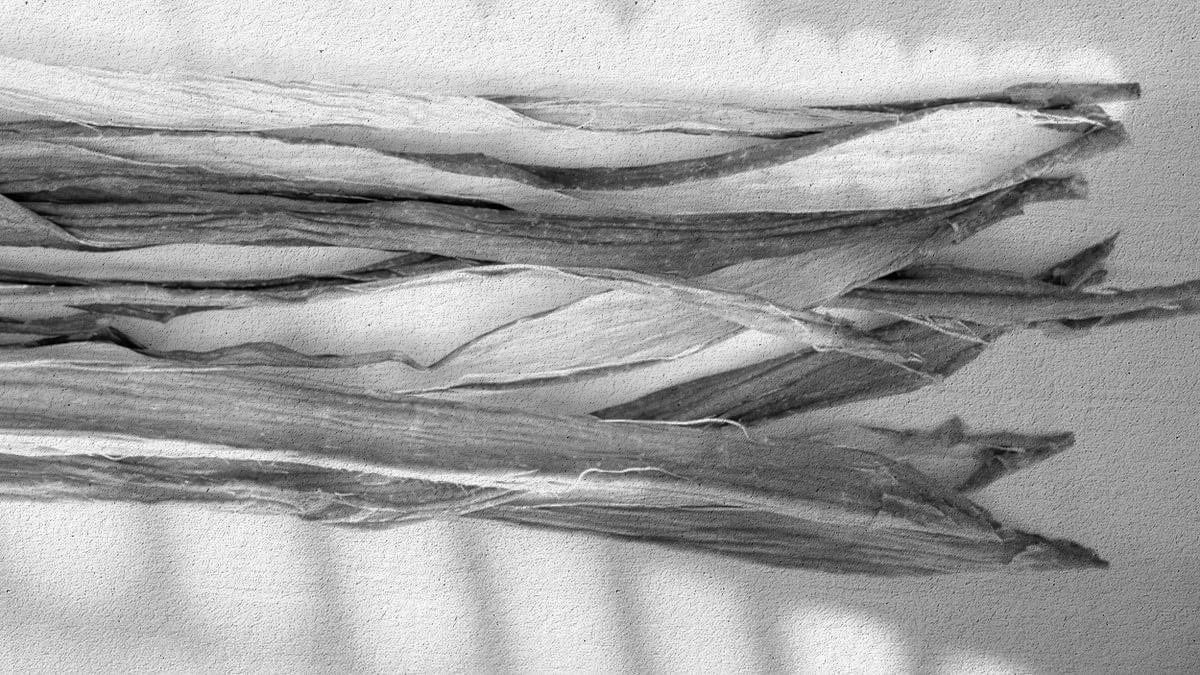
WA Kozo

Since the Nara period, kozo has been used for sutra transcription and official documents, preserving Japanese knowledge, culture, and spirituality through generations. Its long, resilient fibres are remarkably lightweight and flexible, developing character and beauty over time.

WA KOZO was developed as a specialised yarn composed entirely of washi fibres, combining 30% kozo with 70% gampi, one of Japan’s rarest and most highly regarded papermaking materials.

Traditionally used for fine papers and cultural heritage conservation, gampi is valued for its natural lustre, density, and smooth surface. Combined with the strength and breathability of kozo, the result is a distinctive textile fibre that balances lightness, durability, and a quiet natural sheen.

WA Manila

A robust fibre with a dry, tactile character.

Suitable for more structured textile applications.

Traditionally used in rope, maritime materials, and utilitarian textiles, manila fibre is recognised for its resilience and tensile strength.

WA Bast

A grounded, resilient fibre with natural strength and longevity.

Reinterpreted for contemporary material use.

Derived from the inner fibres of plants such as hemp, bast fibres have historically been used across textiles, garments, cordage, and everyday tools — valued for their durability, breathability, and connection to agricultural life.